Monday, May 29, 2023

What Are The 7 Most Common Roof Problems?


Roofing problems can be a significant headache for homeowners and building owners alike. A sturdy and well-maintained roof is crucial for protecting the structure from external elements, maintaining energy efficiency, and ensuring a comfortable living or working environment. However, various issues can arise over time due to aging, weather conditions, poor installation, or lack of maintenance. Let’s explore some common roofing problems that property owners often encounter.

  1. Leaks: Roof leaks are one of the most common problems faced by homeowners. They can occur due to damaged or missing shingles, cracked flashing, deteriorated sealant, or improper installation of roofing materials. Leaks can lead to water damage, mold growth, and compromised structural integrity. Prompt detection and repair of leaks are essential to prevent further damage to the roof and the interior of the building.

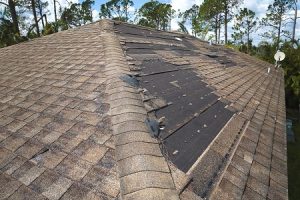
  2. Shingle DamageShingles can suffer from several issues, including cracking, curling, blistering, and missing pieces. Exposure to harsh weather conditions, like high winds, heavy rain, and extreme hot or cold temperatures, can cause shingles to deteriorate over time. Damaged or missing shingles can leave the underlying roof structure vulnerable to water infiltration, leading to leaks and other related problems.

  3. Roof Ventilation Problems: Adequate roof ventilation is crucial for maintaining proper air circulation, preventing moisture buildup, and regulating temperature. Poor ventilation can lead to excess heat buildup in the attic, which can cause shingles to deteriorate prematurely and increase energy costs. It can also contribute to the formation of condensation, which can lead to mold growth and damage to the roof deck.

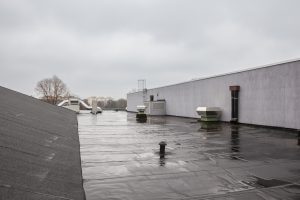
  4. Roof Ponding: Roof ponding refers to the accumulation of water on a flat or low-sloped roof. It usually occurs due to improper roof design, inadequate drainage, or debris clogging the gutters and downspouts. Ponding water can put excess weight on the roof, leading to structural damage and increasing the risk of leaks. It is essential to address ponding issues promptly to prevent further roof deterioration.

  5. Flashing Problems: Flashing is the material used to seal joints and transitions on the roof, such as around chimneys, vents, skylights, and valleys. Damaged or improperly installed flashing can allow water to seep into the roof and cause leaks. Common flashing problems include corrosion, cracking, lifting, and separation. Regular inspection and maintenance of flashing are necessary to ensure its integrity and prevent water intrusion.

  6. Roof Blistering: Blistering occurs when bubbles or raised areas appear on the surface of the roof. It can result from trapped moisture, improper installation, or poor ventilation. Blisters can weaken the roof’s integrity and lead to leaks if left unaddressed. Professional repair or replacement may be required, depending on the severity of the blistering.

  7. Roof Pests and Debris: Accumulation of debris, such as leaves, branches, and moss, on the roof can trap moisture and cause damage over time. Additionally, pests like birds, squirrels, and insects may find their way onto the roof, causing damage to shingles and creating entry points for water. Regular roof cleaning and pest control measures are necessary to prevent such issues.

To mitigate these common roofing problems, it is crucial to invest in regular roof inspections, timely repairs, and proper maintenance. Hiring professional roofing contractors for installation, repairs, and maintenance can ensure that the roof remains in good condition and provides optimal protection for the building and its occupants.

Keep your roof in good condition with regular inspections, repair, and maintenance from Florence Roofing Pros!

Florence Roofing Experts
Florence, SC 29501
(843) 773-4787
http://florenceroofingpros.com

Serving: Lake CityMarionDarlingtonHartsvilleFlorence

Monday, May 22, 2023

What Should You Ask A Roofer Before Hiring Them?

When it comes to hiring a roofer for your home or building, it’s essential to ask the right questions to ensure you’re making an informed decision. A roof is a significant investment, and you want to hire a professional who is experienced, reliable, and capable of delivering high-quality work. To help you in this process, here are some crucial questions to ask a roofer before hiring them.

Are you licensed and insured?

It’s vital to hire a roofer who is properly licensed to work in your area. Ask for their license number and verify its authenticity with the appropriate local licensing board. Additionally, ensure that the roofer carries adequate liability insurance to protect you from any potential damages or accidents that may occur during the roofing project.

How long have you been in business?

Experience matters when it comes to roofing. Inquire about the roofer’s years of experience and their track record of successful projects. A reputable roofer with a long history in the industry is likely to have the expertise and knowledge necessary to handle your roofing needs effectively.

Can you provide references from past clients?

Ask for references from previous clients who have had similar roofing projects done. You can also look up reviews online. This will give you valuable insights into the roofer’s professionalism, workmanship, and ability to meet deadlines.

What roofing materials do you recommend, and why?

A skilled roofer should be knowledgeable about various roofing materials and be able to recommend the most suitable option for your specific needs. Ask them about the advantages and disadvantages of different materials, such as asphalt shingles, metal roofing, or tile. A well-informed roofer will consider factors such as durability, cost, and energy efficiency when making recommendations.

Do you provide written estimates and contracts?

Ensure that the roofer provides a detailed, written estimate for the project, including the cost breakdown, materials to be used, project timeline, and any warranties or guarantees offered. It’s also crucial to have a written contract that outlines the scope of work, payment terms, and any other important details related to the project. Review these documents carefully before signing anything.

What warranties do you offer?

Ask about the warranties or guarantees provided by the roofer. Reputable roofers typically offer warranties on both the materials they use and the workmanship. Clarify the duration of these warranties and what they cover. A reliable roofer should stand behind their work and be willing to address any issues that arise after the project is completed.

Will you handle the necessary permits?

Depending on your location, roofing projects may require permits from local authorities. Ask the roofer if they will handle obtaining these permits on your behalf. A professional roofer should be familiar with the permit requirements in your area and take care of the necessary paperwork.

What is your safety protocol?

Safety should be a top priority during any roofing project. Inquire about the roofer’s safety protocols to ensure that they follow industry standards and prioritize the well-being of their workers and your property. Ask about the safety equipment used, precautions taken to prevent accidents, and how they clean up after completing the job.

How do you handle unexpected issues or changes during the project?

Sometimes, unforeseen issues or changes may arise during a roofing project. Ask the roofer how they handle such situations and if they communicate these changes promptly. It’s essential to hire a roofer who is responsive, adaptable, and able to address unexpected challenges without compromising the quality of their work.

What payment options do you offer?

Discuss the payment terms with the roofer before hiring them. Inquire about the accepted payment methods, such as checks, credit cards, or financing options. Beware of any roofer who demands a large upfront payment or requests full payment before the project begins.

By asking these questions, you can gather valuable information about the roofer’s qualifications, experience, workmanship, and professionalism. Taking the time to thoroughly vet a roofer before hiring them will help ensure a successful roofing project and provide you with peace of mind knowing that your investment is in capable hands.

Call Florence Roofing Pros if you are looking for a reliable roofer!

Florence Roofing Experts
Florence, SC 29501
(843) 773-4787
http://florenceroofingpros.com

Serving: Lake CityMarionDarlingtonHartsvilleFlorence

Monday, May 15, 2023

How Long Does a Roof Last And When Should You Replace It?


The longevity of a roof is a crucial factor in determining the overall durability and value of a property. Homeowners and building managers often wonder how long a roof should last before considering replacement. While there is no definitive answer applicable to all situations, several factors influence a roof’s lifespan. Understanding these factors and recognizing signs of deterioration can help make informed decisions about roof replacement, ensuring the safety and protection of the underlying structure.

Factors Affecting Roof Lifespan 

  1. Material Quality: The type and quality of roofing materials play a significant role in determining how long a roof will last. Asphalt shingles, for instance, typically last between 20 to 30 years, while metal roofs can endure for 40 to 70 years.
  2. Climate and Weather Conditions: Harsh weather conditions, such as extreme temperatures, high winds, heavy rainfall, and exposure to UV radiation, can significantly impact a roof’s lifespan. Roofs in regions with more severe climates may require more frequent inspections and maintenance.
  3. Installation Quality: Proper installation is vital to maximizing the lifespan of a roof. Poor workmanship can lead to premature deterioration, leaks, and other issues. Hiring a reputable and experienced roofing contractor is essential to ensure correct installation practices.
  4. Maintenance: Regular maintenance, including roof inspections, cleaning, and addressing minor issues promptly, can extend the lifespan of a roof. Neglecting maintenance tasks can accelerate deterioration and shorten the roof’s lifespan.

While a well-maintained roof can last for many years, certain signs indicate that it may be time for a replacement:

  1. Age: As roofs approach or exceed their expected lifespan, they become more susceptible to damage and may require replacement to maintain their integrity.
  2. Visible Damage: Cracked, curled, or missing shingles, as well as sagging or rotting areas, indicate significant wear and tear. These issues can compromise the roof’s ability to protect against water infiltration and require immediate attention.
  3. Leaks: Persistent roof leaks, especially after repair attempts, may suggest extensive damage that necessitates replacement. Water infiltration can lead to structural damage and the growth of mold and mildew.

Determining the lifespan of a roof depends on various factors, such as the quality of materials, climate conditions, installation craftsmanship, and regular maintenance. While some roofing materials have estimated lifespans, it is crucial to monitor the roof’s condition over time and be proactive in addressing signs of deterioration.

Regular roof inspections by a qualified professional can help identify potential issues early on, allowing for timely repairs and maintenance. Homeowners should also maintain proper attic ventilation, as excessive heat and moisture can accelerate roof deterioration.

When signs of wear and tear become apparent, it is advisable to consult with a roofing professional to assess the roof’s condition accurately. Factors such as the extent of damage, cost of repairs, and the remaining useful life of the roof should be considered when deciding whether to repair or replace.

While it can be tempting to delay roof replacement due to cost considerations, neglecting a deteriorating roof can lead to more significant problems, including structural damage and costly repairs from water infiltration.

In conclusion, the lifespan of a roof varies depending on multiple factors. Regular maintenance, prompt repairs, and proactive monitoring can extend a roof’s longevity. When signs of significant damage or age-related deterioration arise, consulting with roofing experts will help determine if it is time to replace your roof.

Call Florence Roofing Pros for regular maintenance, repair, or a roof replacement! 

Monday, May 8, 2023

When To Patch, repair, Or Replace Your Roof


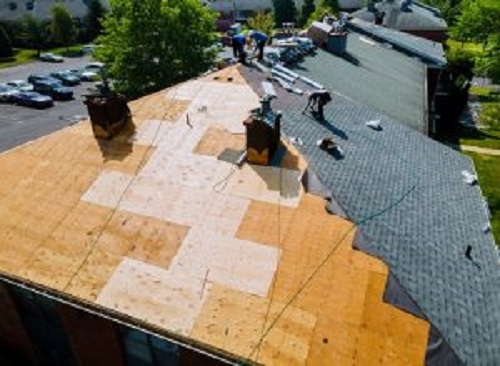
The roof is one of the most important components of a building. It protects the structure from the elements and provides insulation for the interior. However, like any other part of a building, a roof will eventually wear out and require repair or replacement. When faced with this decision, homeowners often wonder whether they should patch, repair, or replace their roof. In this article, we will examine the factors that should be considered when making this decision.

Age of the Roof

The age of the roof is an important factor when deciding whether to patch, repair, or replace it. A roof that is less than 10 years old may only need minor repairs, such as replacing damaged shingles. However, if the roof is more than 20 years old, it may be time to replace it entirely. As roofs age, they become more susceptible to damage and may require more frequent repairs. In addition, the materials used to construct the roof may no longer be available, making it difficult to find replacement parts.

Extent of Damage

The extent of the damage is another important factor to consider when deciding whether to patch, repair, or replace a roof. If the damage is limited to a small area of the roof, it may be possible to patch or repair it. For example, if a few shingles are missing or damaged, they can be replaced without replacing the entire roof. However, if the damage is widespread or affects the structural integrity of the roof, it may be necessary to replace the entire roof.

Type of Roofing Material

The type of roofing material is also an important factor to consider. Some roofing materials, such as asphalt shingles, are easier and less expensive to repair than others, such as metal or tile. In addition, some roofing materials may be more durable and long-lasting than others, meaning they may require less frequent repairs or replacements. It is important to consider the cost and availability of replacement materials when deciding whether to repair or replace a roof.

Energy Efficiency

Another factor to consider when deciding whether to patch, repair, or replace a roof is energy efficiency. Older roofs may not provide adequate insulation, leading to increased heating and cooling costs. By replacing an old roof with a new, energy-efficient one, homeowners can save money on their energy bills and improve the overall comfort of their home. In addition, some roofing materials, such as metal or tile, may be more energy-efficient than others, making them a good choice for homeowners looking to improve the energy efficiency of their home.

Overall Condition of the Roof

The overall condition of the roof should be considered when making a decision about whether to patch, repair, or replace it. If the roof has been well-maintained and is in good condition overall, it may be possible to patch or repair it. However, if the roof is in poor condition or has been neglected, it may be necessary to replace it entirely. A thorough inspection by a professional roofing contractor can help determine the overall condition of the roof and the best course of action.

In general, patching or repairing a roof is a good option if the damage is limited to a small area of the roof and the overall condition of the roof is good. However, if the roof is old, extensively damaged, or in poor condition overall, it may be necessary to replace it entirely. In addition, homeowners should consider the energy efficiency of the roof, the availability of replacement materials, and the cost of repairs or replacement when making this decision.

Ultimately, the decision to patch, repair, or replace a roof depends on a number of factors, including the age of the roof, the extent of the damage, the type of roofing material, the energy efficiency of the roof, and the overall condition of the roof. Homeowners should consult with an experienced roofing contractor before making a final decision. 

Get in touch with Florence Roofing Pros if you need to patch, repair, or replace your roof!

Florence Roofing Pros
Florence, SC 29501
(843) 773-4787
http://florenceroofingpros.com

Serving: Lake CityMarionDarlingtonHartsvilleFlorence

Friday, April 28, 2023

How Do You Drain and Maintain a Flat Roof?


 Flatroofs are designed to be level or have a slight slope to allow water to flow towards drainage outlets or gutters. However, over time, debris, leaves, and other materials can accumulate on the roof, blocking these drainage systems and causing water to accumulate. When water accumulates on a flat roof, it can lead to a variety of problems, including:

  1. Roof Damage: Prolonged water accumulation on a flat roof can cause damage to the roofing material, leading to leaks and other problems.
  2. Structural Damage: Water accumulation on a flat roof can also cause damage to the underlying structure, such as weakening the roof decking or causing rot in the framing.
  3. Health Risks: Standing water on a flat roof can become a breeding ground for mosquitoes, mold, and other harmful organisms, which can pose a health risk to occupants of the building.

How to Drain Water from a Flat Roof

There are several methods for draining water from a flat roof, depending on the size and shape of the roof and the specific drainage system in place. Here are some common methods:

  1. Scuppers: Scuppers are openings in the edge of the roof that allow water to drain off the roof and into downspouts or gutters. To ensure that scuppers remain clear and functioning, they should be inspected and cleaned regularly.
  2. Gutters: Gutters are another common method for draining water from a flat roof. They are typically installed along the perimeter of the roof and slope towards downspouts, which carry the water away from the building. Gutters should be inspected and cleaned regularly to prevent clogs and water accumulation.
  3. Internal Drains: Some flat roofs have internal drains, which are located in the center of the roof and allow water to flow into pipes that carry it away from the building. These drains should be inspected and cleaned regularly to prevent clogs and ensure proper functioning. Call your local roofer for maintenance. 
  4. Tapered Insulation: Tapered insulation is a system of layered insulation that is sloped to allow water to flow towards drainage systems. This method can be used in combination with scuppers, gutters, or internal drains to provide effective drainage.

Tips for Maintaining Flat Roof Drainage

Maintaining a flat roof’s drainage system is key to preventing water accumulation and the problems it can cause. Here are some tips for keeping your flat roof drainage system functioning properly:

  1. Inspect and Clean Regularly: Regular inspections and cleaning of scuppers, gutters, and drains can prevent clogs and ensure that water is flowing freely off the roof.
  2. Remove Debris: Leaves, sticks, and other debris can accumulate on flat roofs and clog drainage systems. Regularly removing debris can prevent clogs and ensure proper drainage.
  3. Monitor Slope: Over time, the slope of a flat roof can change due to settling or other factors. Monitoring the slope and adjusting insulation or drainage systems as needed can prevent water accumulation.
  4. Hire a Professional: Maintaining a flat roof’s drainage system can be a complex task that requires specialized knowledge and equipment. Hiring a professional roofing contractor to inspect and maintain your roof’s drainage system can help ensure that it remains in good condition.

In summary, draining water from a flat roof can be simple but regular maintenance is important  to prevent serious damage to your home or business. By following these tips and taking proper safety precautions, you can keep your flat roof in good condition and extend its lifespan.

For regular roof maintenance and draining, call Florence Roofing Pros!

Florence Roofing Pros
Florence, SC 29501
(843) 773-4787
http://florenceroofingpros.com

Serving: Lake CityMarionDarlingtonHartsvilleFlorence

Friday, April 21, 2023

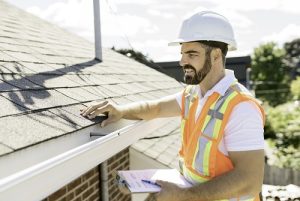
Why Should You Get Regular Roof Inspections?


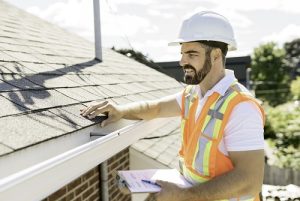
The roof is one of the most important parts of a building. Protecting the interior from the elements and providing structural support. However, many homeowners and building owners neglect to inspect their roof regularly, which can lead to costly repairs and safety hazards. Here are some reasons why you should inspect your roof regularly.

  1. Early Detection of Problems: Regular roof inspections can help detect problems early on, before they become more serious and costly to repair. For example, small leaks or cracks in the roof can be fixed easily and quickly if detected early, preventing water damage to the interior of the building. On the other hand, if these issues are not addressed promptly, they can lead to more extensive damage and the need for a complete roof replacement.
  2. Extend the Lifespan of Your Roof: Regular roof inspections can help extend the lifespan of your roof. By addressing any problems or issues early on, you can prevent them from becoming more serious and causing damage to the underlying structure of the roof. This can help your roof last longer and require fewer repairs over its lifespan.
  3. Ensure Safety: A damaged or deteriorating roof can be a safety hazard, especially in areas with high winds or severe weather. Regular roof inspections can help ensure that the roof is structurally sound and safe for occupants of the building. This is especially important for commercial buildings, where liability issues can arise if someone is injured due to a roof collapse or other safety hazard.
  4. Maintain Energy Efficiency: A properly maintained roof can help maintain energy efficiency in a building. A damaged or poorly insulated roof can allow heat to escape in the winter and cool air to escape in the summer, leading to increased energy bills. Regular roof inspections can help identify any areas of the roof that need to be repaired or improved to maintain energy efficiency.
  5. Protect Your Investment: Your roof is a significant investment, and regular inspections can help protect that investment. By identifying any issues or problems early on, you can prevent costly repairs or replacements down the road. This can also help maintain the value of your property, which is especially important if you plan to sell the building in the future.
  6. Insurance Requirements: Many insurance policies require that buildings have regular roof inspections to maintain coverage. This is because insurance companies want to ensure that the building is well-maintained and that any potential hazards are identified and addressed promptly. Failure to comply with these requirements can result in a loss of coverage, leaving you financially responsible for any damage or repairs.

In conclusion, regular roof inspections are crucial for maintaining the safety, structural integrity, and energy efficiency of your building. By detecting problems early on, you can prevent costly repairs and ensure that your roof lasts as long as possible. Inspecting your roof can also help maintain compliance with building codes and insurance requirements, protecting your investment and ensuring that you are covered in the event of damage or loss. 

Be sure to schedule regular roof inspections with Florence Roofing Pros to ensure the health and longevity of your roof!

Florence Roofing Experts
Florence, SC 29501
(843) 773-4787
http://florenceroofingpros.com

Serving: Lake CityMarionDarlingtonHartsvilleFlorence

Monday, April 17, 2023

How Does the Weather Affect Your Roof?


 Your roof is one of the most important elements of your home’s structure, protecting you and your family from the elements. Your roof is constantly exposed to the weather, which can have a significant impact on its durability and lifespan. In this article, we’ll explore how different weather conditions can affect your roof, and what you can do to protect it.

Rain– Rain is perhaps the most common type of weather that can affect your roof. While a well-built roof should be able to withstand most rainstorms, prolonged exposure to rain can cause damage over time. This is particularly true if your roof has any leaks or weak points that allow water to penetrate.

When water seeps into your roof, it can cause a range of problems. It can lead to mold and mildew growth, which can be difficult to remove and can impact your family’s health. Water can cause rot and decay in the wooden components of your roof, which can weaken the structure and lead to costly repairs.

To prevent damage from rain, it’s important to ensure that your roof is properly sealed and free of any leaks or weak spots. Regular inspections and maintenance from a roofing contractor can help you identify any potential problems early, so they can be addressed before they become more serious.

Snow– If you live in a colder climate, snow can also impact your roof. Heavy snowfall can put a significant amount of weight on your roof, which can cause it to sag or even collapse in extreme cases. Additionally, when snow begins to melt, it can seep into any cracks or gaps in your roof, leading to water damage.

To prevent damage from snow, it’s important to ensure that your roof is strong enough to support the weight of snow and ice. This may involve reinforcing the structure of your roof or installing additional support beams. A local Florence roofer can help with this. It’s important to remove any snow from your roof as soon as possible, particularly if you notice any signs of sagging or damage.

Wind– High winds can also impact your roof, particularly if they are accompanied by heavy rain or hail. Strong winds can cause shingles to lift or even tear off, leaving your roof vulnerable to water damage. Additionally, wind can cause trees or other debris to fall onto your roof, which can cause significant damage.

To protect your roof from wind damage, it’s important to ensure that your shingles are properly installed and secured. You may also want to consider investing in impact-resistant shingles, which are designed to withstand high winds and hail. It’s also  important to remove any nearby trees or other potential hazards that could fall onto your roof during a storm.

SunWhile it may not seem like it, the sun can also impact your roof over time. Prolonged exposure to sunlight can cause shingles to become brittle and crack, which can lead to leaks and other damage.  UV rays can cause the color of your shingles to fade, which can impact the aesthetic appeal of your home.

To protect your roof from sun damage, it’s important to ensure that your shingles are designed to withstand prolonged exposure to UV rays. Regular maintenance and inspections can help you identify any signs of damage early, so you can address them before they become more serious.

In conclusion, weather can have a significant impact on the durability and lifespan of your roof. By understanding how different weather conditions can affect your roof, you can take steps to protect it and ensure that it continues to protect you and your family for years to come. Regular maintenance and inspections are key to identifying and addressing potential problems early, so be sure to schedule them on a regular basis.

 Florence Roofing Experts has professional roof inspectors available to inspect your roof and ensure it is performing at its best. Call today to make an appointment!

Florence Roofing Experts
Florence, SC 29501
(843) 773-4787
http://florenceroofingpros.com

Serving: Lake CityMarionDarlingtonHartsvilleFlorence